Step-by-Step Guide: How to Create a Winning Vibe Marketing Strategy

Step-by-Step Guide: How to Create a Winning Vibe Marketing Strategy

Nov 6, 2025

Nov 6, 2025

Vibe Marketing Strategy

A winning vibe marketing strategy is the goal of every marketer in 2025. If you or your team still think that vibe marketing is just a Gen Z term, you’re losing more than time. Consumer behavior has evolved drastically with shorter attention spans. 

What traditional marketing could tackle in the last decade is no longer relevant, which is why vibe marketing is the future. It creatively combines storytelling with AI-powered automation for creative freedom, which did not exist before. 

Through this blog, let us break down the steps involved in transitioning to a vibe marketing strategy depending on your organization type and run ad campaigns that actually convert. 

What Is Vibe Marketing and How to Create a Vibe Marketing Strategy?
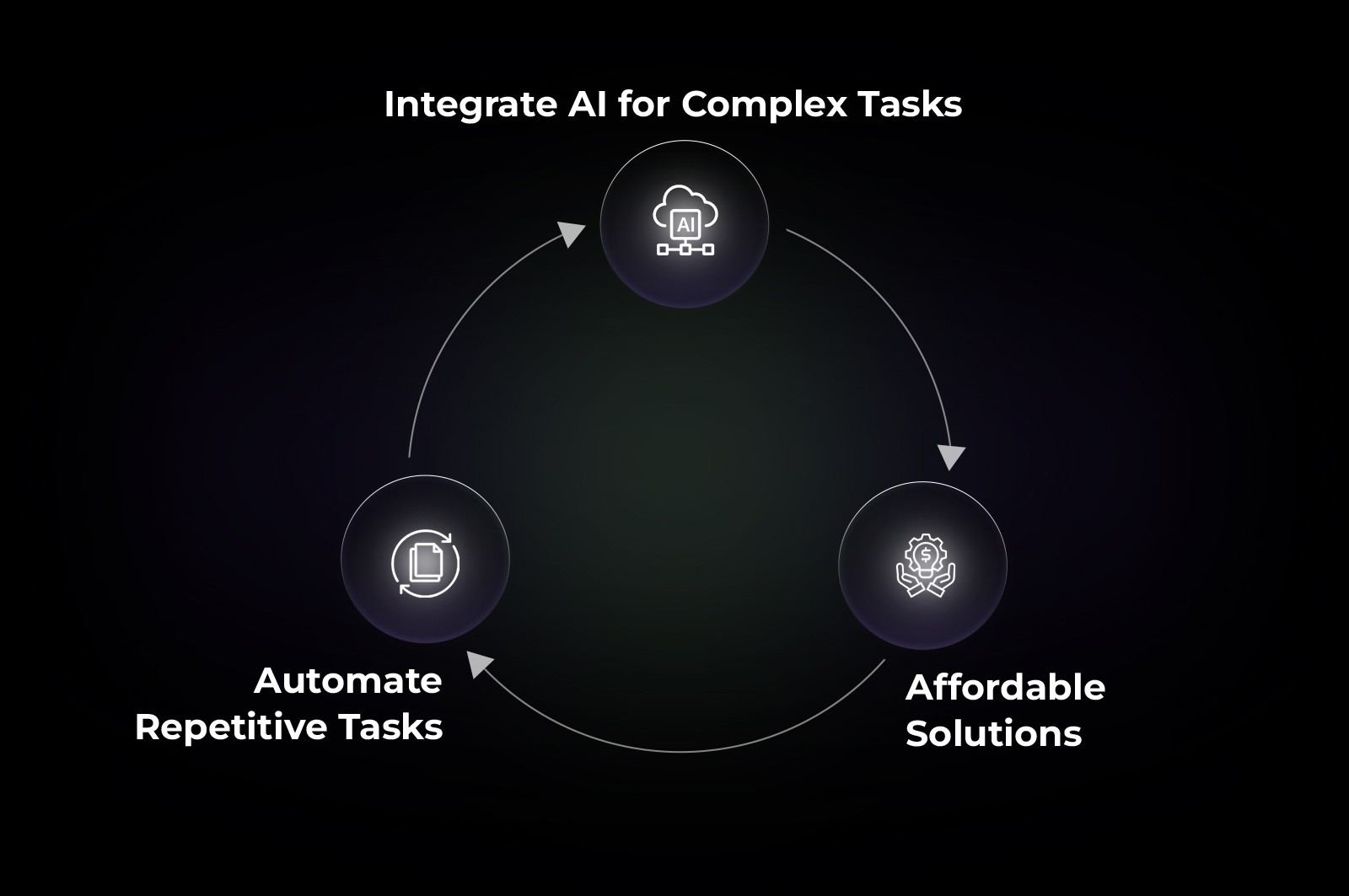
Vibe marketing is more than just an emerging term, it is the perfect combination of human ideation and creativity powered by AI and automation. Vibe marketing strategies work on simple principles:

  1. Using AI tools for complex marketing tasks 

  2. Easy-to-use automation with no code 

  3. Affordable solutions for all marketing teams

A winning vibe marketing strategy is more about consistently capturing a brand's voice rather than following fixed strategies. Think of it as the soul and sentiments of marketing that capture real-time cultural signals, styling, and keeping up with the latest trends with AI.

Flaws in Traditional Marketing
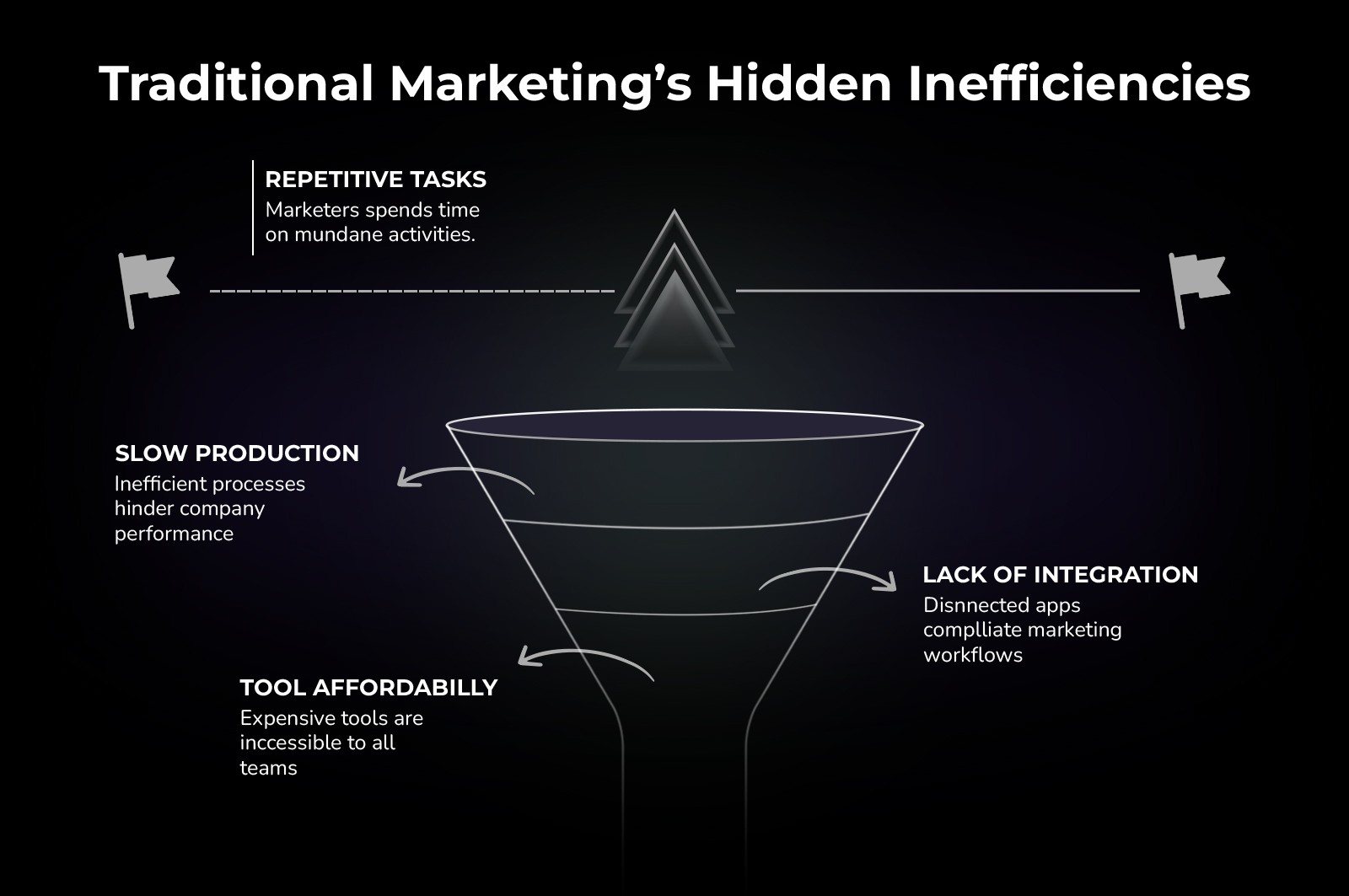
With the traditional method of marketing, it takes time to execute a campaign. Long meetings, slow approvals, dependency on different departments, and tedious approval cycles can slow down this process further. Vibe marketing plan for business today demands speed, relevance, and staying on top of every trend.

Although the traditional method worked well previously, it is no longer relevant. According to Statista, 74% of marketers struggle with producing content on time, while 61% of marketers fail to connect their AI workflows. The main reason why traditional marketing is no longer relevant is because:

  1. Repetitive tasks consume a major portion of a marketer’s day.

  2. Slow production affects the overall performance of the company/brand.

  3. Without integration between applications, marketers tend to add more steps in their workflows.

  4. All marketing teams cannot rely on expensive tools.

Step-by-Step Vibe Marketing Guide

The step-by-step vibe marketing guide contains more than just a list of efficient AI tools; it is about creating an efficient system that combines cultural signals and AI-powered tools and connects emotionally with the target audience. This strategy can be implemented by small-scale marketers, solopreneurs, freelancers, e-commerce owners, etc. 

Step 1: Find your ‘Vibe’

Before deciding which tool to integrate, you must know your brand’s vibe. ‘Vibe’ here stands for the emotions or visuals that your audience instantly feels or connects with. 

But how is the vibe check carried out?

  1. Conduct a thorough audit with your current marketing workflow

  2. Analyze the top performing ads of competitors and analyze their vibe through copy, aesthetics and tone

  3. Use an AI tool to summarize large data produced through past campaigns

Still lost? Ask yourself, what do you want people to feel when they see your brand?

Step 2: Ideal Tool Stack
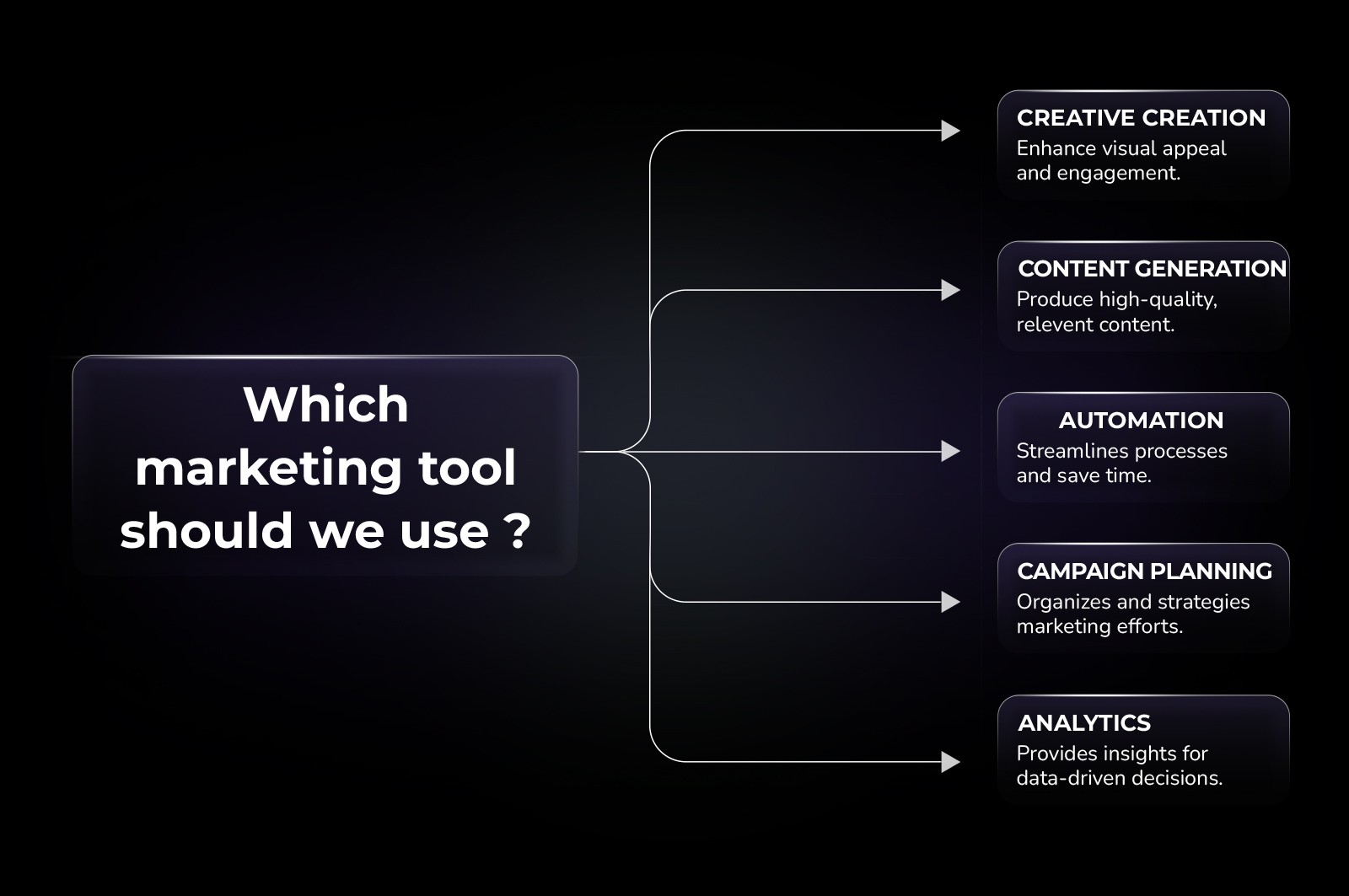
The true essence of vibe marketing strategy is based on choosing the ideal tools to replace your time consuming tasks. This can include, creating multiple variations of a winning design, writing a copy in different angles and connecting an ad with your brand’s vibe. 

Here are some tools you can utilize:

Creative Creation

Use LLM to generate images for creatives, thumbnails, Meta ads, social media posts, etc.

Ideal tools: Midjourney, DALL-E, Nano Banana, Canva 

Content Generation

Use AI to generate copies for ads, social media posts, landing page content, product descriptions, and emails.

Ideal tools - Jasper, Copy.ai, ChatGPT

Automation 

Choosing a tool that connects different segments of your workflow through automation

Ideal tools: Zapier, Vibelets, Make

Campaign Planning 

AI that generates campaign ideas, suggests variations based on past data, and helps in fruitful A/B testing.

Ideal tools: Claude, Perplexity, Vibelets 

Analytics 

Collect data and patterns from all past campaigns and suggest creative ideas, copies, and angles to target niche audiences. 

Ideal tools: HubSpot AI, Vibelets, Hootsuite

Step 3: Revamp your Workflow 

Swipe out the traditional marketing method and integrate all your systems with automation. In vibe marketing strategy everything is interconnected and fast: testing, creative generation, feedback loops, etc.

Where to start?

  1. Connect creative creation with feedback system and publishing

  2. Based on performance and potential, integrate a tool that suggests creative ideas. 

  3. Integrate image generation and content production together

  4. Assign your automation tool to post on different platforms 

Step 4: Measure, Learn and Repeat 

Vibe marketing is not about creating content and getting it out there first; it’s about optimizing and creating content that is data-driven. To execute this, your workflow must have an efficient loop of publishing, analyzing, and refining. 

Use this as your initial framework to execute:

  1. Analyze the content that is posted on all social media channels along with landing pages on a recurring basis

  2. Analyze which content represents your brand’s vibe best

  3. Use these insights while creating the next batch of creatives. 

  4. Automate the reports generated during these analyses

Step 5: Implementation

With vibe marketing strategy integrated within your workflow, you can never fix one idea for everything. The market is constantly changing, and you need to stay on top of your game. To stay relevant, you must test new ideas and angles and explore what your competitors are doing. 

Get started:

  1. Use your AI stack to generate and test headline and hook variations. 

  2. Test 2 to 3 angles of the same campaign at once to understand what your audience prefers

  3. Compare your ads with competitors to get a better understanding of shortcomings.

Future of Vibe Marketing

The upcoming years will witness major shifts in marketing with the introduction of ‘Vibe’. Vibe marketing strategy and AI will not entirely replace your employees but help you in working smarter within the same time. Marketers will be able to create content ideas and brand vibes while AI manages the repetitive, time-consuming tasks. 

The coming years will witness AI working nonstop in creating winning ad strategies while you ideate the flow. Over the years, AI tools have transitioned from bulky, everything-in-one-place to lean, action-specific tools. 

Vibelets is a powerhouse for marketers as it enables them in creating impactful campaigns and carrying out the whole process with no code and no technical skills. 

Curious to know what the future of marketing looks like? Try Vibelets today— https://vibelets.ai/

A winning vibe marketing strategy is the goal of every marketer in 2025. If you or your team still think that vibe marketing is just a Gen Z term, you’re losing more than time. Consumer behavior has evolved drastically with shorter attention spans. 

What traditional marketing could tackle in the last decade is no longer relevant, which is why vibe marketing is the future. It creatively combines storytelling with AI-powered automation for creative freedom, which did not exist before. 

Through this blog, let us break down the steps involved in transitioning to a vibe marketing strategy depending on your organization type and run ad campaigns that actually convert. 

What Is Vibe Marketing and How to Create a Vibe Marketing Strategy?

Vibe marketing is more than just an emerging term, it is the perfect combination of human ideation and creativity powered by AI and automation. Vibe marketing strategies work on simple principles:

  1. Using AI tools for complex marketing tasks 

  2. Easy-to-use automation with no code 

  3. Affordable solutions for all marketing teams

A winning vibe marketing strategy is more about consistently capturing a brand's voice rather than following fixed strategies. Think of it as the soul and sentiments of marketing that capture real-time cultural signals, styling, and keeping up with the latest trends with AI.

Flaws in Traditional Marketing

With the traditional method of marketing, it takes time to execute a campaign. Long meetings, slow approvals, dependency on different departments, and tedious approval cycles can slow down this process further. Vibe marketing plan for business today demands speed, relevance, and staying on top of every trend.

Although the traditional method worked well previously, it is no longer relevant. According to Statista, 74% of marketers struggle with producing content on time, while 61% of marketers fail to connect their AI workflows. The main reason why traditional marketing is no longer relevant is because:

  1. Repetitive tasks consume a major portion of a marketer’s day.

  2. Slow production affects the overall performance of the company/brand.

  3. Without integration between applications, marketers tend to add more steps in their workflows.

  4. All marketing teams cannot rely on expensive tools.

Step-by-Step Vibe Marketing Guide

The step-by-step vibe marketing guide contains more than just a list of efficient AI tools; it is about creating an efficient system that combines cultural signals and AI-powered tools and connects emotionally with the target audience. This strategy can be implemented by small-scale marketers, solopreneurs, freelancers, e-commerce owners, etc. 

Step 1: Find your ‘Vibe’

Before deciding which tool to integrate, you must know your brand’s vibe. ‘Vibe’ here stands for the emotions or visuals that your audience instantly feels or connects with. 

But how is the vibe check carried out?

  1. Conduct a thorough audit with your current marketing workflow

  2. Analyze the top performing ads of competitors and analyze their vibe through copy, aesthetics and tone

  3. Use an AI tool to summarize large data produced through past campaigns

Still lost? Ask yourself, what do you want people to feel when they see your brand?

Step 2: Ideal Tool Stack

The true essence of vibe marketing strategy is based on choosing the ideal tools to replace your time consuming tasks. This can include, creating multiple variations of a winning design, writing a copy in different angles and connecting an ad with your brand’s vibe. 

Here are some tools you can utilize:

Creative Creation

Use LLM to generate images for creatives, thumbnails, Meta ads, social media posts, etc.

Ideal tools: Midjourney, DALL-E, Nano Banana, Canva 

Content Generation

Use AI to generate copies for ads, social media posts, landing page content, product descriptions, and emails.

Ideal tools - Jasper, Copy.ai, ChatGPT

Automation 

Choosing a tool that connects different segments of your workflow through automation

Ideal tools: Zapier, Vibelets, Make

Campaign Planning 

AI that generates campaign ideas, suggests variations based on past data, and helps in fruitful A/B testing.

Ideal tools: Claude, Perplexity, Vibelets 

Analytics 

Collect data and patterns from all past campaigns and suggest creative ideas, copies, and angles to target niche audiences. 

Ideal tools: HubSpot AI, Vibelets, Hootsuite

Step 3: Revamp your Workflow 

Swipe out the traditional marketing method and integrate all your systems with automation. In vibe marketing strategy everything is interconnected and fast: testing, creative generation, feedback loops, etc.

Where to start?

  1. Connect creative creation with feedback system and publishing

  2. Based on performance and potential, integrate a tool that suggests creative ideas. 

  3. Integrate image generation and content production together

  4. Assign your automation tool to post on different platforms 

Step 4: Measure, Learn and Repeat 

Vibe marketing is not about creating content and getting it out there first; it’s about optimizing and creating content that is data-driven. To execute this, your workflow must have an efficient loop of publishing, analyzing, and refining. 

Use this as your initial framework to execute:

  1. Analyze the content that is posted on all social media channels along with landing pages on a recurring basis

  2. Analyze which content represents your brand’s vibe best

  3. Use these insights while creating the next batch of creatives. 

  4. Automate the reports generated during these analyses

Step 5: Implementation

With vibe marketing strategy integrated within your workflow, you can never fix one idea for everything. The market is constantly changing, and you need to stay on top of your game. To stay relevant, you must test new ideas and angles and explore what your competitors are doing. 

Get started:

  1. Use your AI stack to generate and test headline and hook variations. 

  2. Test 2 to 3 angles of the same campaign at once to understand what your audience prefers

  3. Compare your ads with competitors to get a better understanding of shortcomings.

Future of Vibe Marketing

The upcoming years will witness major shifts in marketing with the introduction of ‘Vibe’. Vibe marketing strategy and AI will not entirely replace your employees but help you in working smarter within the same time. Marketers will be able to create content ideas and brand vibes while AI manages the repetitive, time-consuming tasks. 

The coming years will witness AI working nonstop in creating winning ad strategies while you ideate the flow. Over the years, AI tools have transitioned from bulky, everything-in-one-place to lean, action-specific tools. 

Vibelets is a powerhouse for marketers as it enables them in creating impactful campaigns and carrying out the whole process with no code and no technical skills. 

Curious to know what the future of marketing looks like? Try Vibelets today— https://vibelets.ai/

A winning vibe marketing strategy is the goal of every marketer in 2025. If you or your team still think that vibe marketing is just a Gen Z term, you’re losing more than time. Consumer behavior has evolved drastically with shorter attention spans. 

What traditional marketing could tackle in the last decade is no longer relevant, which is why vibe marketing is the future. It creatively combines storytelling with AI-powered automation for creative freedom, which did not exist before. 

Through this blog, let us break down the steps involved in transitioning to a vibe marketing strategy depending on your organization type and run ad campaigns that actually convert. 

What Is Vibe Marketing and How to Create a Vibe Marketing Strategy?

Vibe marketing is more than just an emerging term, it is the perfect combination of human ideation and creativity powered by AI and automation. Vibe marketing strategies work on simple principles:

  1. Using AI tools for complex marketing tasks 

  2. Easy-to-use automation with no code 

  3. Affordable solutions for all marketing teams

A winning vibe marketing strategy is more about consistently capturing a brand's voice rather than following fixed strategies. Think of it as the soul and sentiments of marketing that capture real-time cultural signals, styling, and keeping up with the latest trends with AI.

Flaws in Traditional Marketing

With the traditional method of marketing, it takes time to execute a campaign. Long meetings, slow approvals, dependency on different departments, and tedious approval cycles can slow down this process further. Vibe marketing plan for business today demands speed, relevance, and staying on top of every trend.

Although the traditional method worked well previously, it is no longer relevant. According to Statista, 74% of marketers struggle with producing content on time, while 61% of marketers fail to connect their AI workflows. The main reason why traditional marketing is no longer relevant is because:

  1. Repetitive tasks consume a major portion of a marketer’s day.

  2. Slow production affects the overall performance of the company/brand.

  3. Without integration between applications, marketers tend to add more steps in their workflows.

  4. All marketing teams cannot rely on expensive tools.

Step-by-Step Vibe Marketing Guide

The step-by-step vibe marketing guide contains more than just a list of efficient AI tools; it is about creating an efficient system that combines cultural signals and AI-powered tools and connects emotionally with the target audience. This strategy can be implemented by small-scale marketers, solopreneurs, freelancers, e-commerce owners, etc. 

Step 1: Find your ‘Vibe’

Before deciding which tool to integrate, you must know your brand’s vibe. ‘Vibe’ here stands for the emotions or visuals that your audience instantly feels or connects with. 

But how is the vibe check carried out?

  1. Conduct a thorough audit with your current marketing workflow

  2. Analyze the top performing ads of competitors and analyze their vibe through copy, aesthetics and tone

  3. Use an AI tool to summarize large data produced through past campaigns

Still lost? Ask yourself, what do you want people to feel when they see your brand?

Step 2: Ideal Tool Stack

The true essence of vibe marketing strategy is based on choosing the ideal tools to replace your time consuming tasks. This can include, creating multiple variations of a winning design, writing a copy in different angles and connecting an ad with your brand’s vibe. 

Here are some tools you can utilize:

Creative Creation

Use LLM to generate images for creatives, thumbnails, Meta ads, social media posts, etc.

Ideal tools: Midjourney, DALL-E, Nano Banana, Canva 

Content Generation

Use AI to generate copies for ads, social media posts, landing page content, product descriptions, and emails.

Ideal tools - Jasper, Copy.ai, ChatGPT

Automation 

Choosing a tool that connects different segments of your workflow through automation

Ideal tools: Zapier, Vibelets, Make

Campaign Planning 

AI that generates campaign ideas, suggests variations based on past data, and helps in fruitful A/B testing.

Ideal tools: Claude, Perplexity, Vibelets 

Analytics 

Collect data and patterns from all past campaigns and suggest creative ideas, copies, and angles to target niche audiences. 

Ideal tools: HubSpot AI, Vibelets, Hootsuite

Step 3: Revamp your Workflow 

Swipe out the traditional marketing method and integrate all your systems with automation. In vibe marketing strategy everything is interconnected and fast: testing, creative generation, feedback loops, etc.

Where to start?

  1. Connect creative creation with feedback system and publishing

  2. Based on performance and potential, integrate a tool that suggests creative ideas. 

  3. Integrate image generation and content production together

  4. Assign your automation tool to post on different platforms 

Step 4: Measure, Learn and Repeat 

Vibe marketing is not about creating content and getting it out there first; it’s about optimizing and creating content that is data-driven. To execute this, your workflow must have an efficient loop of publishing, analyzing, and refining. 

Use this as your initial framework to execute:

  1. Analyze the content that is posted on all social media channels along with landing pages on a recurring basis

  2. Analyze which content represents your brand’s vibe best

  3. Use these insights while creating the next batch of creatives. 

  4. Automate the reports generated during these analyses

Step 5: Implementation

With vibe marketing strategy integrated within your workflow, you can never fix one idea for everything. The market is constantly changing, and you need to stay on top of your game. To stay relevant, you must test new ideas and angles and explore what your competitors are doing. 

Get started:

  1. Use your AI stack to generate and test headline and hook variations. 

  2. Test 2 to 3 angles of the same campaign at once to understand what your audience prefers

  3. Compare your ads with competitors to get a better understanding of shortcomings.

Future of Vibe Marketing

The upcoming years will witness major shifts in marketing with the introduction of ‘Vibe’. Vibe marketing strategy and AI will not entirely replace your employees but help you in working smarter within the same time. Marketers will be able to create content ideas and brand vibes while AI manages the repetitive, time-consuming tasks. 

The coming years will witness AI working nonstop in creating winning ad strategies while you ideate the flow. Over the years, AI tools have transitioned from bulky, everything-in-one-place to lean, action-specific tools. 

Vibelets is a powerhouse for marketers as it enables them in creating impactful campaigns and carrying out the whole process with no code and no technical skills. 

Curious to know what the future of marketing looks like? Try Vibelets today— https://vibelets.ai/

Visioned and Crafted by Vibelets.ai

2025 © All right reserved.

Visioned and Crafted by Vibelets.ai

2025 © All right reserved.

Visioned and Crafted by Vibelets.ai

2025 © All right reserved.